Best Fishing Face Masks for Sun Protection
A fishing face mask or neck gaiter only works if the UPF number, coverage and fit match your day. Here is what the numbers mean and ten options to compare.
On this page
- What UPF actually tells you
- Wet, stretched or tight fabric protects less
- Water adds some reflected UV, and shade does not remove it
- Mask, gaiter or buff: what you are really buying
- Build the rest of your sun protection around it
- Stay cool and know when to stop
- Fishing face masks compared
- What to look for in a fishing mask or gaiter
- Related guides
- Frequently asked questions
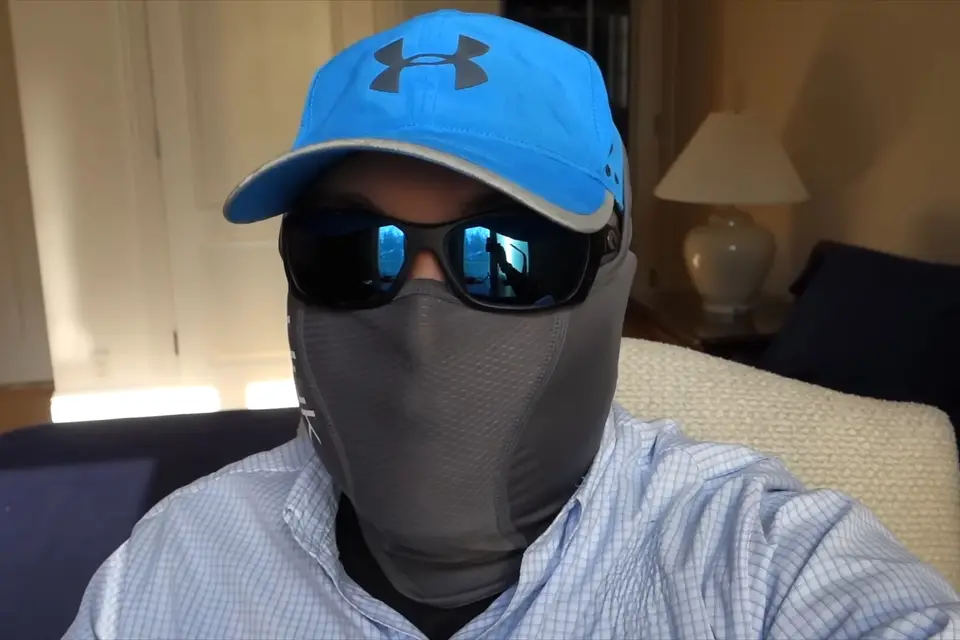
Quick answer: For sun, pick a loose-fitting, breathable gaiter or hood rated UPF 50+ that covers your face, ears and neck, and wear sunglasses and sunscreen with it. The UPF number, the coverage and how it fits matter more than the name on the label. This page compares six options whose maker pages we re-checked and explains the numbers behind them.
What UPF actually tells you#
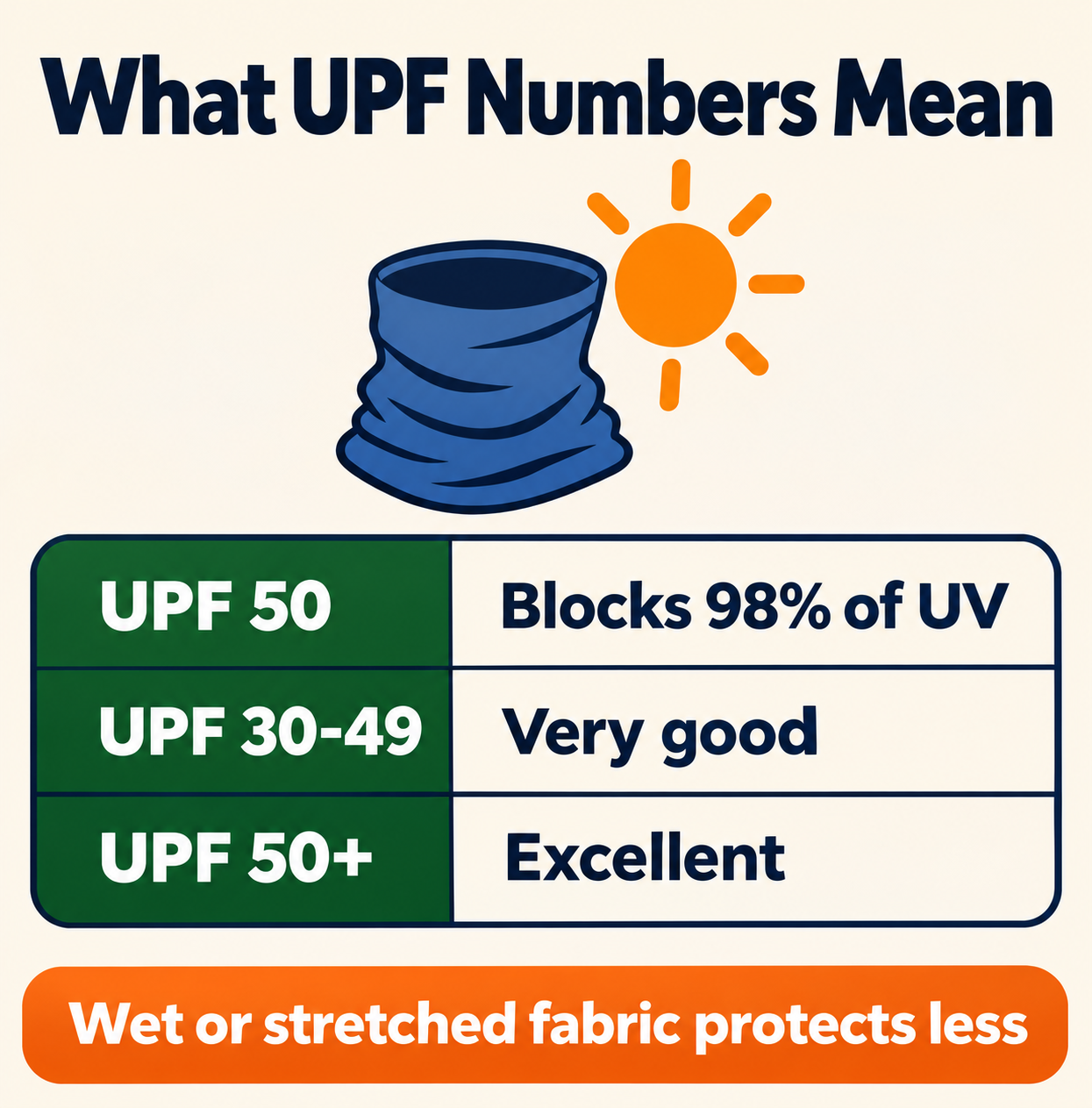
UPF measures how much UVA and UVB a fabric lets reach your skin. The Skin Cancer Foundation says UPF 50 blocks 98% of UV and lets 2% through. It rates UPF 30 to 49 as very good and UPF 50+ as excellent. Sunscreen’s SPF number, by contrast, is a UVB-focused measure, while UPF covers UVA and UVB.
The FTC adds two useful points in its UPF guidance: a product above UPF 50 may be labeled 50+ but may not offer substantially more protection, and a garment should not be labeled sun-protective below UPF 15. In other words, a gaiter marketed as “UPF 100″ is not twice as protective as UPF 50.
Wet, stretched or tight fabric protects less#
This matters on a boat. The Skin Cancer Foundation recommends loose-fitting clothing because tight clothing can stretch the fibers and let more UV through. It also warns that stretched or wet clothing can lose some protective ability, and gives a white T-shirt example in which wetness cuts the stated UPF from about 7 to 3. The American Academy of Dermatology agrees that dry clothing protects better than wet.
There is a caveat. A newer Foundation article says UPF fabrics are tested both wet and dry, so wet-fabric performance depends on the textile. Check the product label, and think twice before relying on a soaked cooling gaiter as your only sun protection.
Water adds some reflected UV, and shade does not remove it#
Sources disagree on how much, because the answer depends on the surface and the angle. The WHO says water reflects less than 10% of incident UV, and the Australian Bureau of Meteorology says water can add about 10% reflected UV above the surface on a boat. An archived Skin Cancer Foundation page gives a much higher figure for water and sand combined, so treat those numbers as context-specific, not interchangeable. The Foundation also says shade on a boat does not eliminate reflected or side-angle UV. The American Academy of Dermatology says water, snow and sand can reflect damaging rays and raise sunburn risk.
Mask, gaiter or buff: what you are really buying#
None of the sources we reviewed defines these terms. BUFF presents tubular neckwear as convertible apparel that can be worn from a face mask position to a balaclava. Columbia describes its fishing product as a neck gaiter focused on neck coverage. Simms markets its SunGaiter as UPF 50+ with breathable full-face coverage for fishing flats. Bassdash describes one product as convertible between face mask, neck cover and headband positions. So read the coverage description, the UPF label and the fabric details, not the product name.
Build the rest of your sun protection around it#
A gaiter covers part of your skin. For the rest:
- Hat: the Skin Cancer Foundation says a wide-brimmed hat should shade the face, scalp, neck, shoulders and ears.
- Sunglasses: the FDA says UV400 or “100% UV protection” sunglasses block more than 99% of UVA and UVB. See our guides to sunglasses for trout fishing and budget fishing sunglasses.
- Sunscreen: the Foundation recommends SPF 30+ daily and water-resistant SPF 50+ for extended time outdoors. CDC and NIOSH say to reapply at least every two hours and after water exposure or heavy sweating, and call out the ears, scalp, lips, neck, feet and hands as areas that need deliberate coverage.
The Foundation’s point is that no single method is complete by itself.
Stay cool and know when to stop#
CDC heat guidance for outdoor workers emphasizes drinking water, and says feeling faint or weak is a warning to stop and cool down, not to keep fishing. For athletes it recommends scheduling activity in cooler hours, which also suits an early-morning fishing trip. We found no authoritative source that measures overheating from a face covering specifically, so judge breathability and fit on your own trips.
Fishing face masks compared#
Each entry below summarizes what the maker or retailer says on its own page when we checked in November 2026. We have not tested these products, and specs and prices change, so check the current listing and the UPF label before buying.
KastKing Ultimate Angler Neck Gaiter#
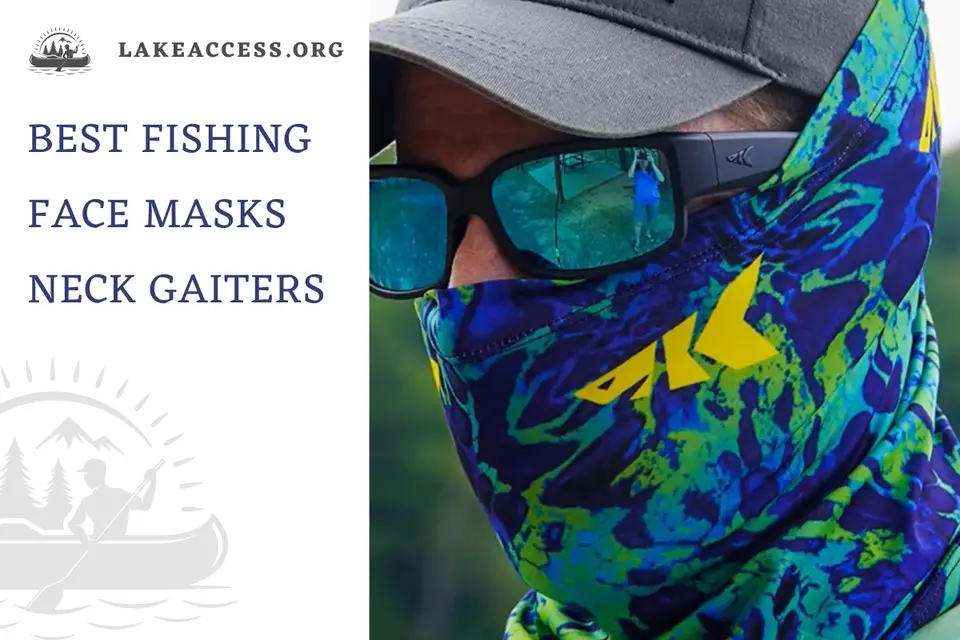
KastKing’s apparel page lists the Ultimate Angler neck gaiter with UPF 50+ protection, and says you can wear it as a face mask, balaclava, bandana or hood. It is a simple, general-purpose gaiter, and the page lists it at a low price. Check stock and the current UPF label before ordering.
Simms UPF 50+ SunGaiter#
Simms markets the SunGaiter as a UPF 50+ product with breathable full-face coverage for fishing flats. The maker says the current version uses mapped cooling, enhanced ventilation, stretchy fabric and quick drying. Whether any gaiter keeps your sunglasses from fogging depends on your frames and how it sits on your nose, so test the fit before a long day on the water.
BASSDASH Neck Gaiter Fishing Mask#
Bassdash describes this as a UPF 50+ gaiter made of lightweight, breathable poly-spandex. It claims moisture wicking and quick drying, and says its laser-cut breathing holes are meant to make breathing easier and reduce fogging on glasses. It also converts between face mask, neck cover and headband positions, which shows why the words “mask,” “gaiter” and “buff” overlap. See the Bassdash product page for the current listing.
Flying Fisherman Sunbandit Pro Series#
Flying Fisherman describes the Sunbandit Pro Series as a four-way stretch, fast-drying 90% polyester and 10% spandex face mask with UPF 50+ sun protection. It has a vented mouth that the maker says helps reduce sunglass fog, and a flared neck meant to give coverage down to your shoulders. We found no independent fogging tests, so judge the fit with your own sunglasses.
Fishoholic Neck Gaiter#
A retailer listing for the Fishoholic neck gaiter describes breathable four-way stretch poly-spandex with UPF 50+ protection for the face, neck and ears. It says the gaiter can be worn as a face, neck and ear mask, neck scarf, hood, bandana or headband.
HOT SHOT Cooling Fishing Gaiter#
The HOT SHOT listing describes a 90% polyester and 10% spandex gaiter with a lightweight UPF 50 material. Its BUILTCOOL fabric is said to absorb water and spread it through the weave, and the maker claims the fabric cools up to 30 degrees below your body temperature. We could not verify that cooling figure. A wet gaiter may also block less UV, as explained above, so read the UPF label before relying on a damp gaiter as your only sun protection.
What to look for in a fishing mask or gaiter#
- A stated UPF number. Prefer UPF 50+ where sun is the main problem, and be skeptical of gaiters that claim UV protection without a number.
- Loose, breathable fabric. Tight fabric stretches and passes more UV, and dense, lightweight breathable UPF fabric can improve coverage compared with sheer or loose weaves.
- Real coverage. Check that it covers the nose, cheeks, ears and neck, not just the neck.
- Fit with glasses. Makers mention vents and laser-cut holes to reduce fogging. Try the combination with your own sunglasses.
- Dry-time and care. Quick-dry fabric is useful, but remember that a wet gaiter may protect less.
Related guides#
- Must-have accessories for a lake boat
- How to fish for trout
- Lake Winnipeg ice fishing
- Lake fishing guides
Frequently asked questions#
What UPF rating should a fishing face mask have?
The Skin Cancer Foundation rates UPF 30 to 49 as very good and UPF 50+ as excellent, and says UPF 50 blocks 98% of UV while letting 2% through. The FTC says a product above UPF 50 may carry a 50+ label but may not give substantially more protection, and that a garment should not be called sun-protective below UPF 15.
Does a wet gaiter still protect from the sun?
Possibly less. The Skin Cancer Foundation warns that stretched or wet clothing can lose some protective ability, using a white T-shirt as an example where wetness cuts the UPF from about 7 to 3. Its newer article says UPF fabrics are tested both wet and dry, so the label of your specific product matters. The American Academy of Dermatology also says dry clothing protects better than wet.
Do I still need sunscreen if I wear a face gaiter?
Yes. The Skin Cancer Foundation says no single sun-defense method is complete by itself, and recommends SPF 30+ daily and water-resistant SPF 50+ for extended outdoor time. CDC and NIOSH say to reapply at least every two hours and after water exposure or heavy sweating, and to cover the ears, scalp, lips, neck, feet and hands.
Is a fishing face mask the same as a neck gaiter or a buff?
There is no standard definition. BUFF presents tubular neckwear that can be worn from a face mask position to a balaclava, Columbia describes its fishing product as a neck gaiter focused on the neck, and Simms markets its SunGaiter as breathable full-face coverage. Read the coverage description and the UPF label rather than the product name.
How much UV does water reflect onto a boat?
Sources differ by context. The WHO says water reflects less than 10% of incident UV, and the Australian Bureau of Meteorology says water can add about 10% reflected UV above the surface on a boat. An archived Skin Cancer Foundation page gives a much higher figure for water and sand combined. The Foundation also says shade on a boat does not remove reflected or side-angle UV.
Written by
We started this blog as a place to go to when we had questions about buying our first home on the lake. There was a lot of information on the internet, but we always spent hours...