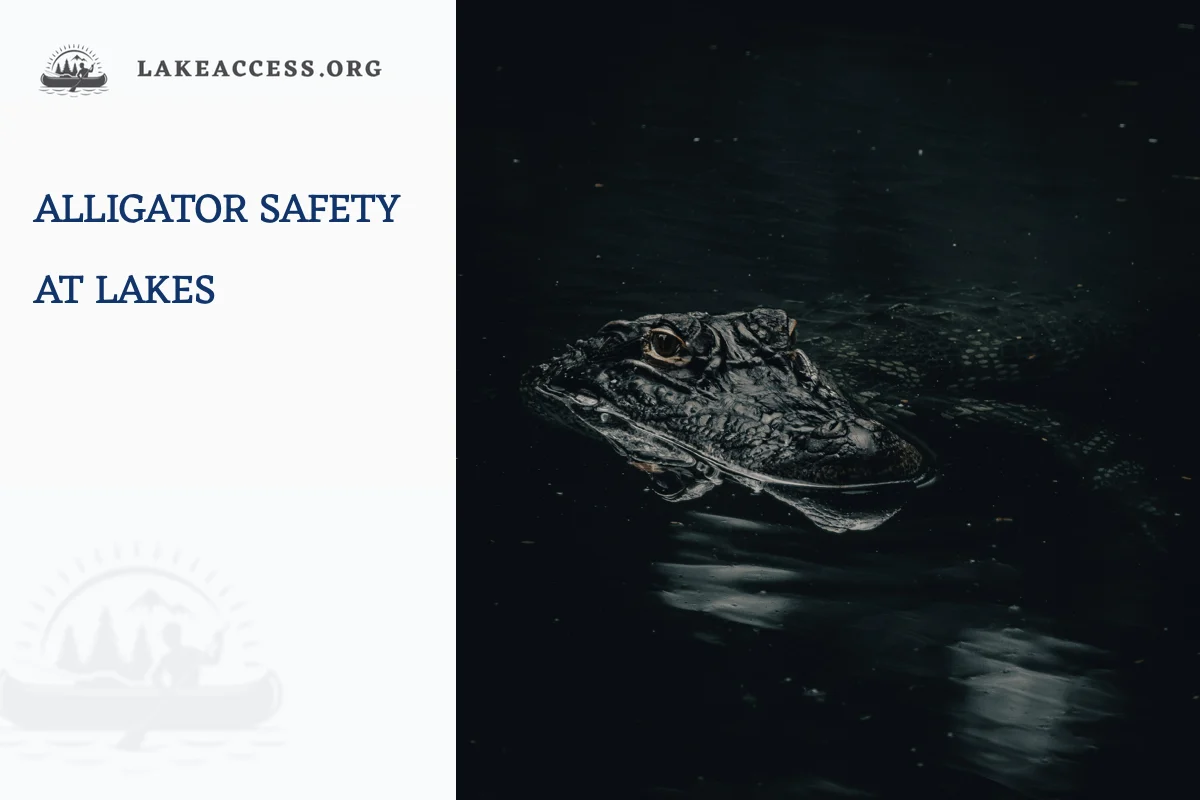
Alligator Safety at Lakes: Distance, Dusk and Warning Signs
Quick answer: At a lake in American alligator habitat, keep a substantial distance, never feed or approach the animal, keep children and pets away from the water edge, and use …
Explore the beauty and wonder of lakes with our blog category dedicated to all things lake-related. From lakefront living and recreational activities to conservation and preservation efforts, our articles cover a wide range of topics for those who love lakes and all they have to offer
Start with these lake guides
Use this lake hub to move from broad lake research into practical guides for clean water, lake science, trip planning, safety, and maintenance.
Reader goalRecommended guide
Find clear, scenic lakesclearest lakes in Michigan
Understand lake formationhow man-made lakes are created
Plan around water movementwhat causes whirlpools in water
Improve lake water qualityhow to get rid of lake weeds and muck
Popular lake planning guides
dog-friendly beaches in Lake Tahoe for beach access and pet-friendly trip planning.
things to do at Lake Wallenpaupack for activity ideas around a major Pennsylvania lake.
camping at Lake Jocassee for turning lake research into an overnight trip.
Lake safety and water-quality guides
blue-green algae in lakes for spotting bloom warnings and knowing when to stay out.
how to know if a lake is safe to swim in for checking advisories, weather, clarity, and hazards.
lake water clarity for understanding clear, green, brown, and blue lake water.
Use these source-first guides with current local notices and official managers.
Use these guides to verify current lake conditions through the agency responsible for the exact waterbody and activity.
Use these practical guides to verify habitat, keep people and pets at a safe distance, and report concerning behavior through the responsible wildlife agency.
Quick answer: At a lake in American alligator habitat, keep a substantial distance, never feed or approach the animal, keep children and pets away from the water edge, and use …
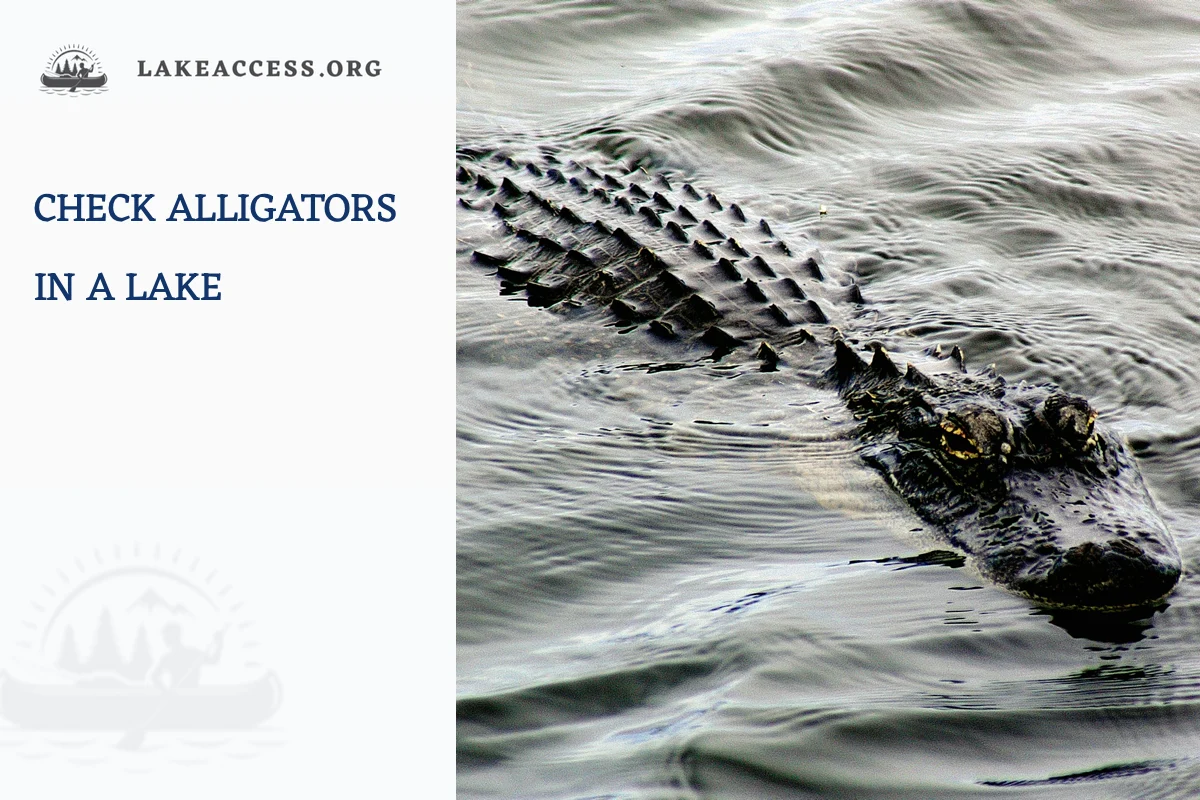
Quick answer: To check whether alligators may live in a lake, start with the American alligator range and the responsible state wildlife agency, then identify the lake manager, read current …

Quick answer: If you see an alligator while boating, keep everyone inside and under control, do not feed or approach it, and let the operator create distance at a safe …
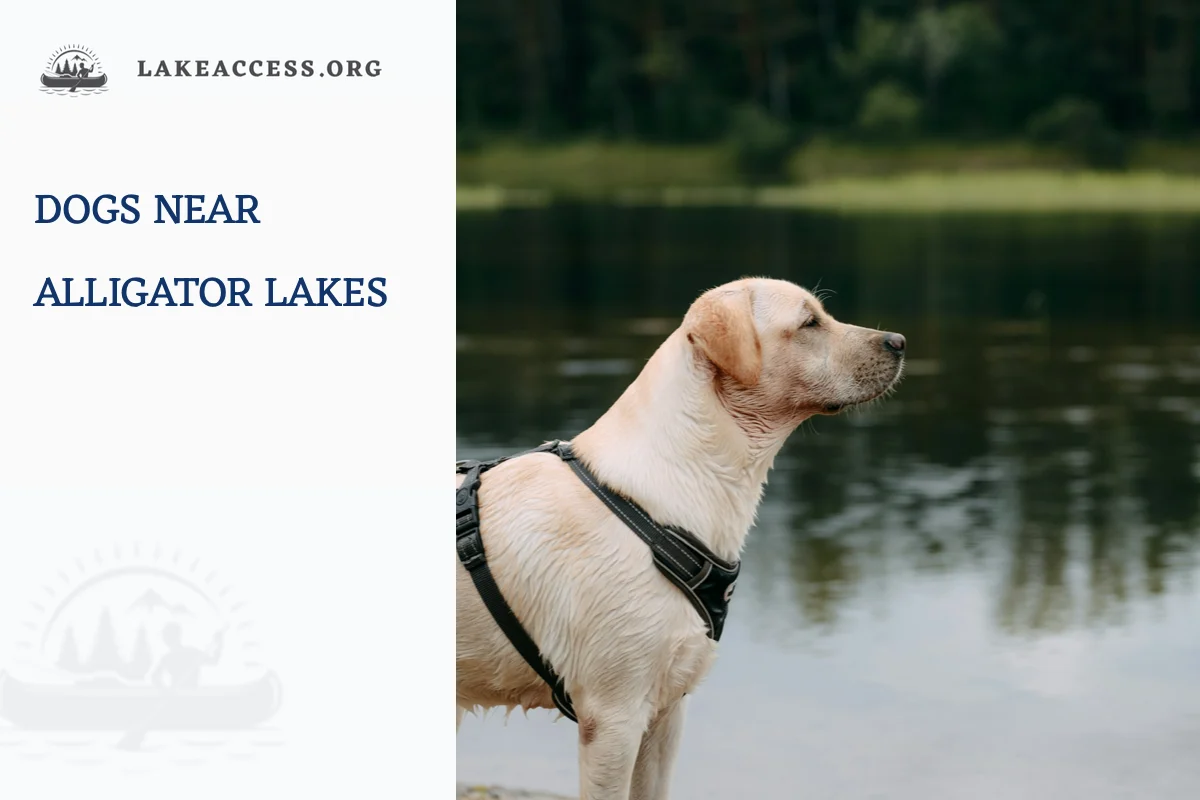
Quick answer: Keep dogs on a short, non-retractable leash and well away from the water edge in alligator habitat. Do not allow a dog to swim, drink from the lake …
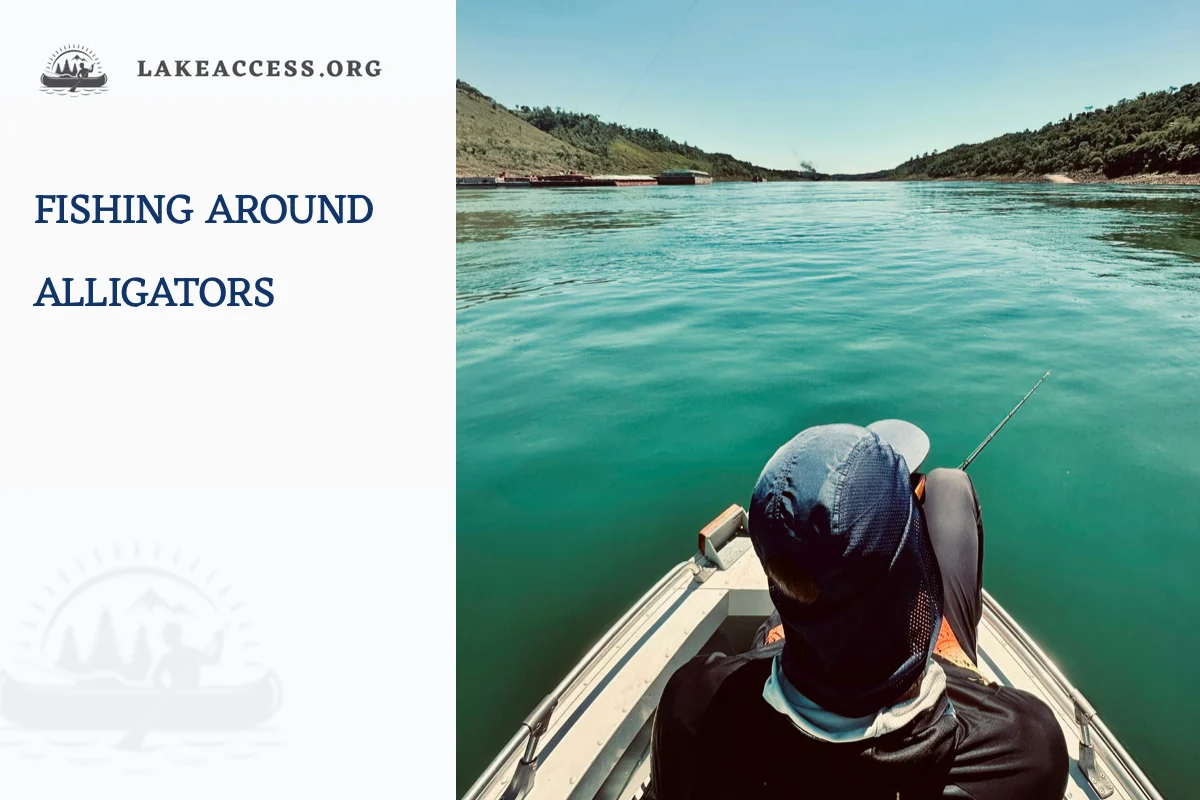
Quick answer: When fishing around alligators, keep substantial distance, never cast toward or feed an animal, secure bait and catch, and put fish scraps in a closed trash container. If …
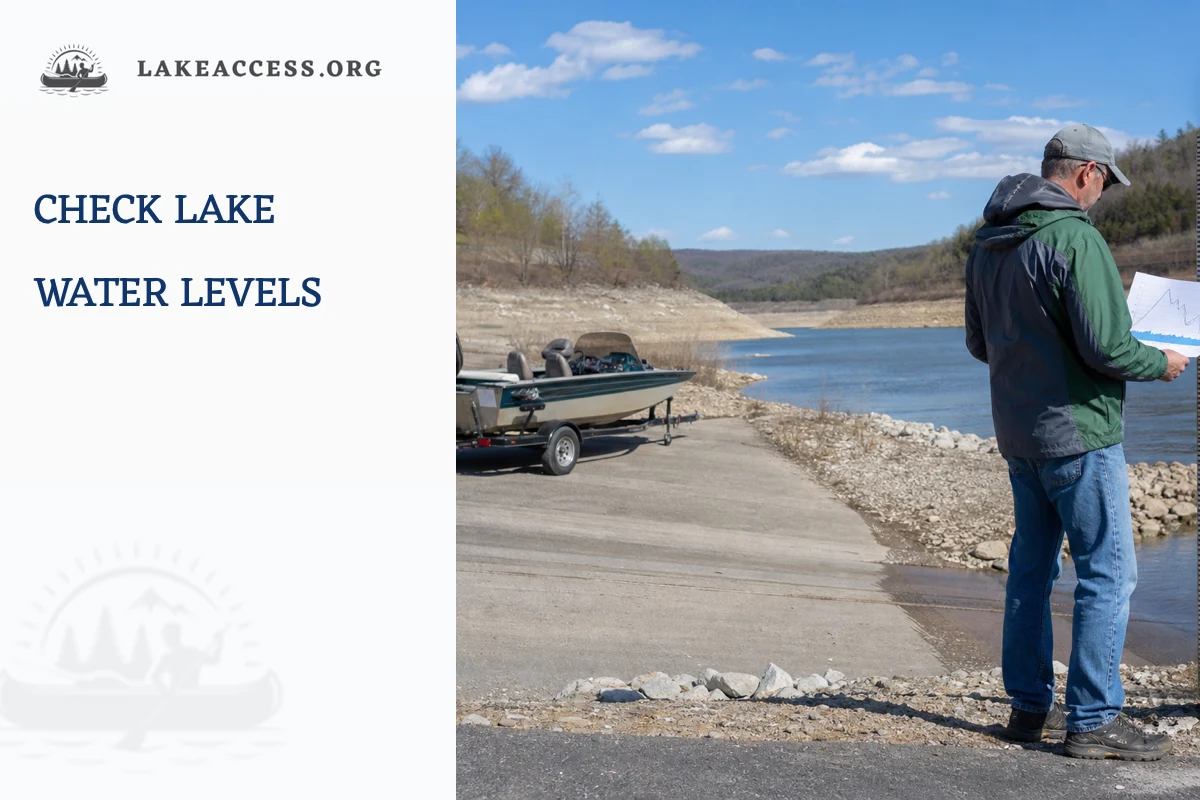
Quick answer: Find the agency that operates or gauges the lake, open its current elevation, stage or storage record, and read the timestamp, unit and datum before comparing values. Then …
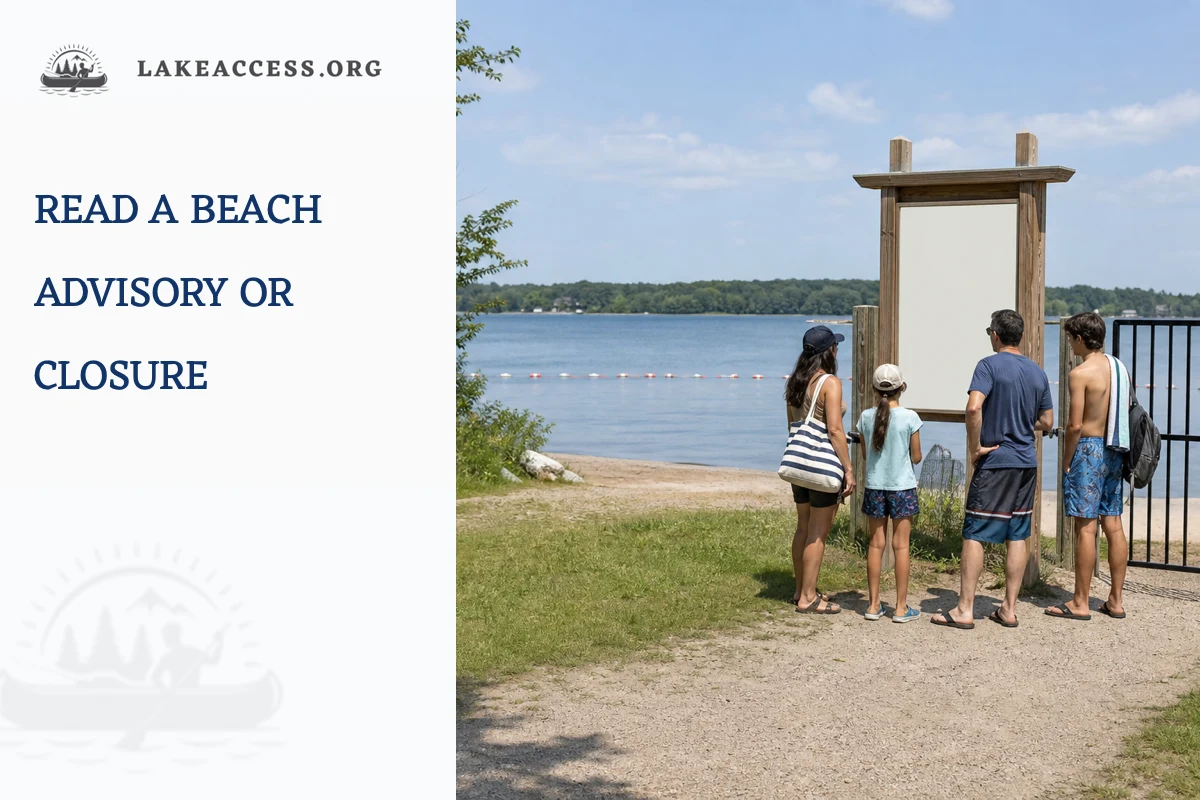
Quick answer: Identify who issued the notice, the exact beach and boundary, whether it is an advisory or closure, the reason, sample or event date, affected activity and required action. …
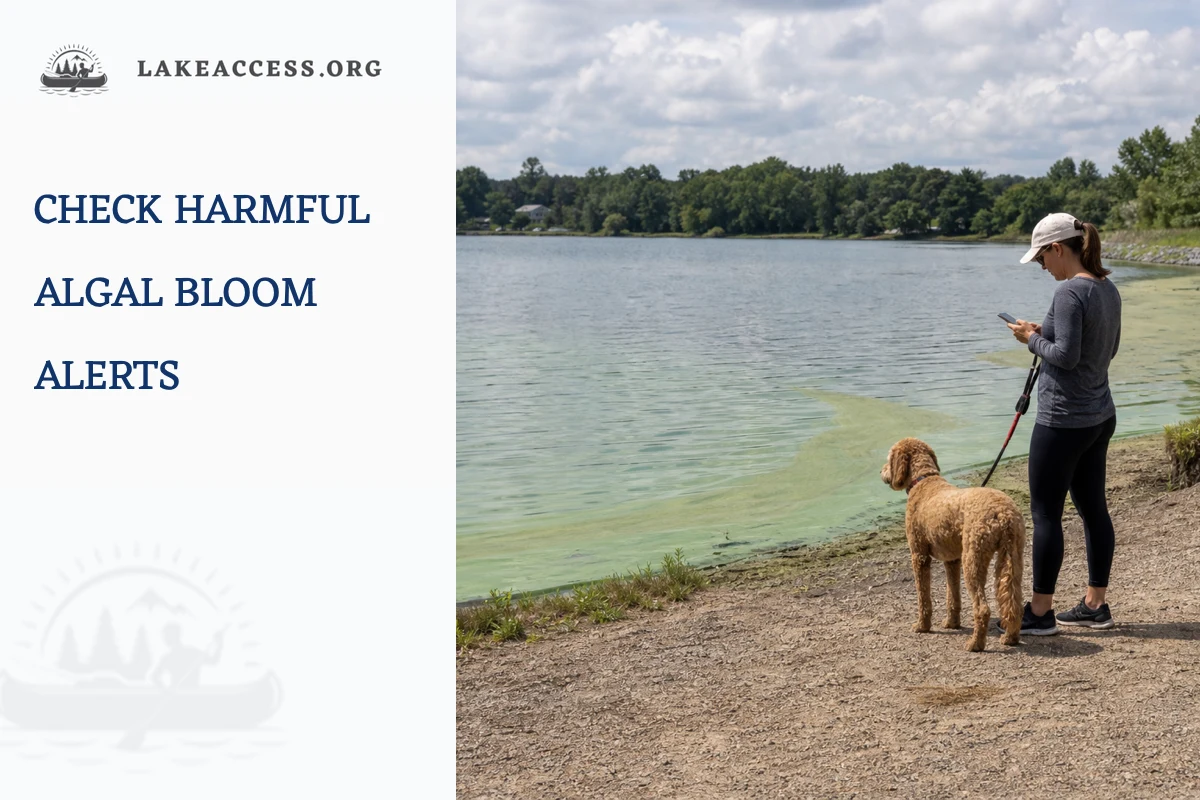
Quick answer: Start with EPA’s maintained State and Tribal HAB Programs directory, open the current health or environmental agency page for your state, and search the exact waterbody and access …
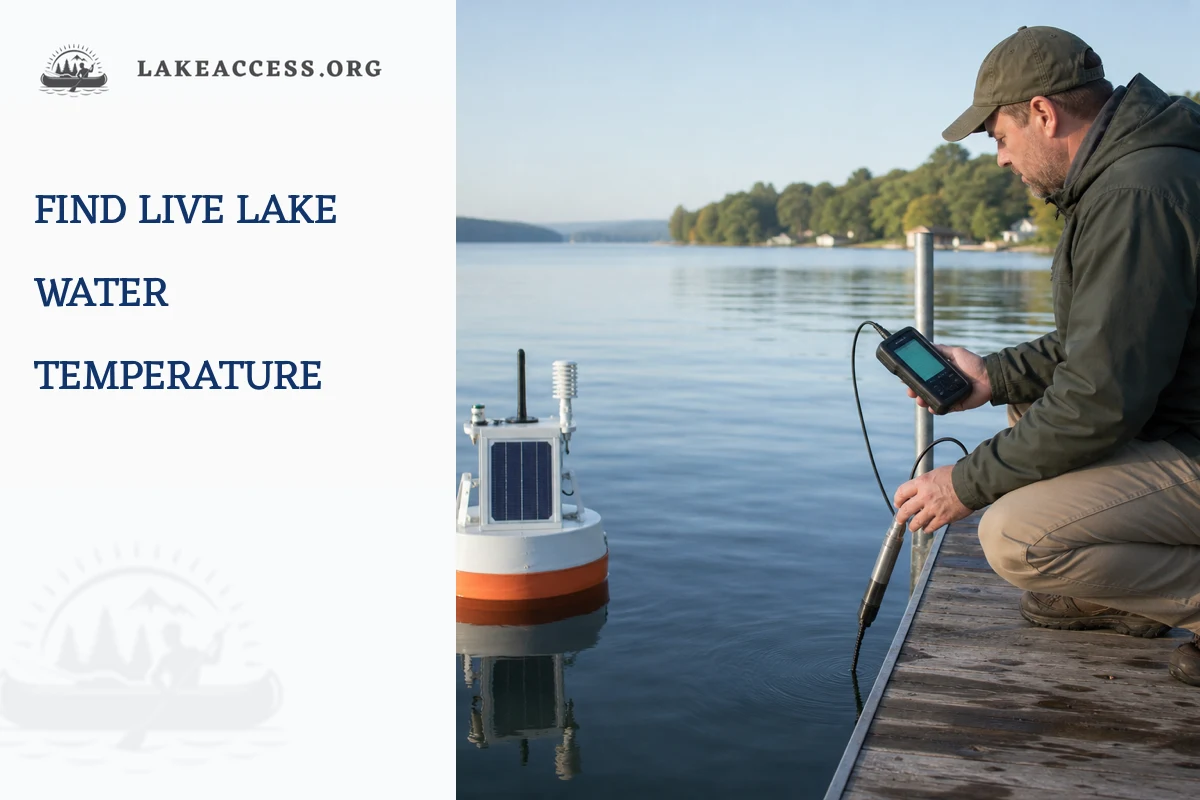
Quick answer: Search USGS Water Data for the Nation, the National Water Dashboard, NOAA buoy data, and the lake operator or park. Use a reading only after confirming the exact …
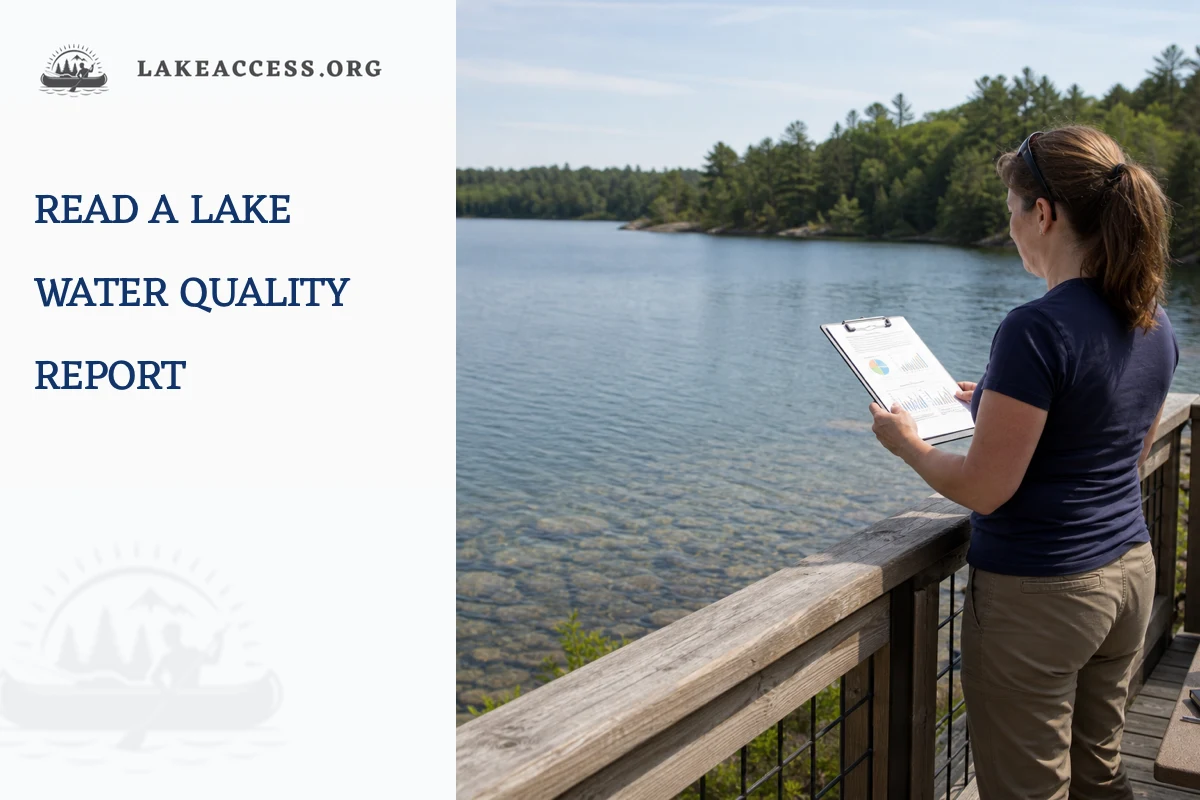
Quick answer: Read a lake water quality report in this order: identify the agency and intended use, confirm the sample location and date, check units and method, compare the result …
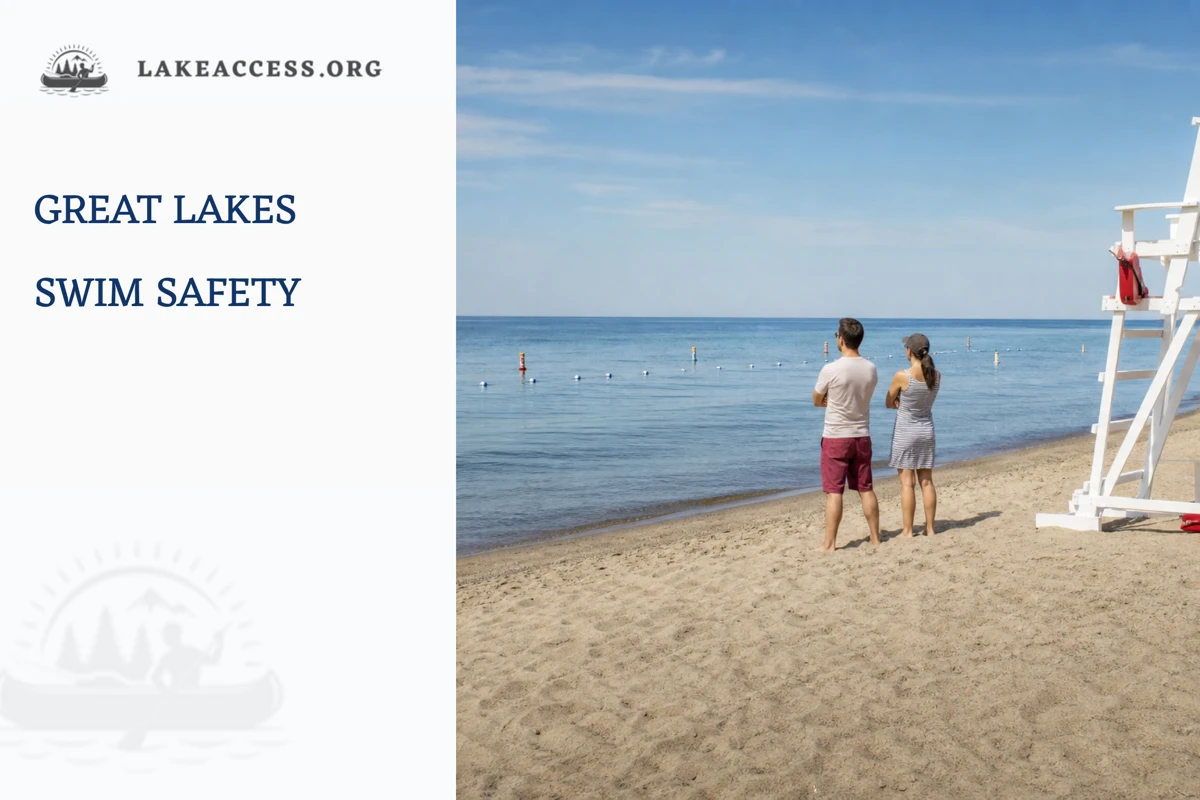
Quick answer: A safer Great Lakes swim begins with the current beach notice, weather and hazard forecast, posted flags, water temperature, and the abilities of everyone in the group. Do …
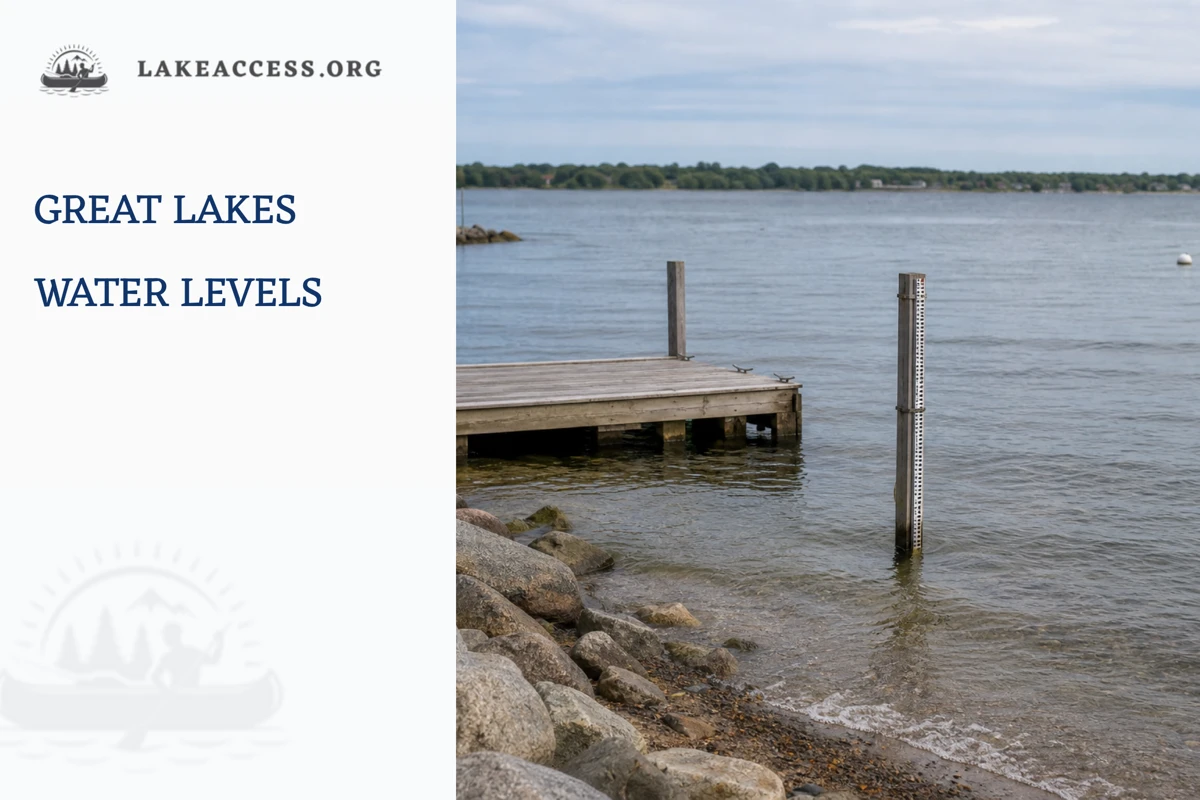
Quick answer: Great Lakes water levels change with precipitation, runoff, evaporation, wind, seasonal patterns, and longer-term conditions. For an access decision, use the official dashboard for the specific lake, check …