Lakes
Alligator Safety at Lakes: Distance, Dusk and Warning Signs
Quick answer: At a lake in American alligator habitat, keep a substantial distance, never feed or approach the animal, keep children and pets away from the…
9 min read
102 guides
Quick answer: At a lake in American alligator habitat, keep a substantial distance, never feed or approach the animal, keep children and pets away from the…
9 min read
Quick answer: When fishing around alligators, keep substantial distance, never cast toward or feed an animal, secure bait and catch, and put fish scraps in a…
9 min read
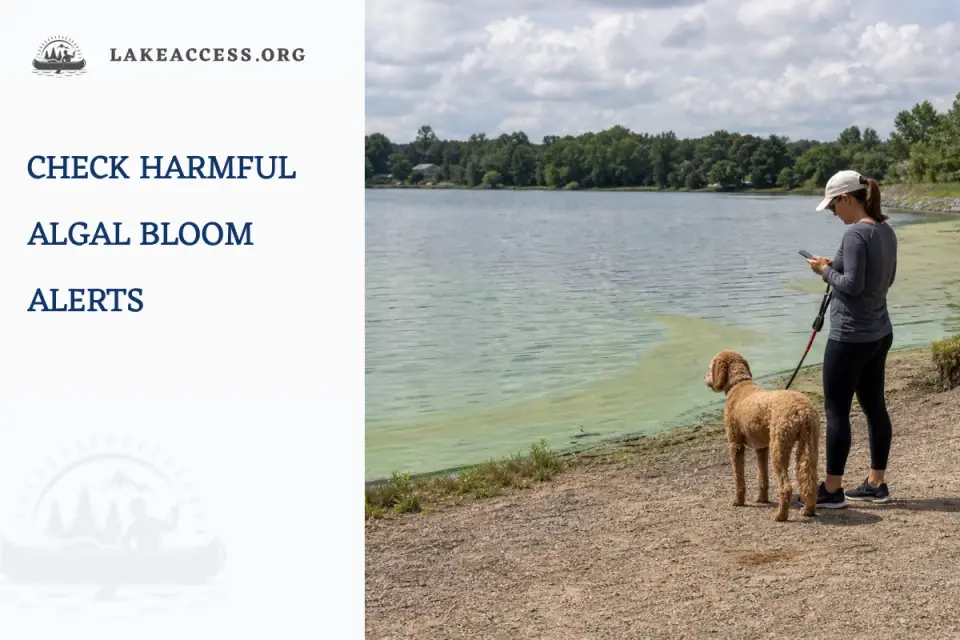
Quick answer: Start with EPA’s maintained State and Tribal HAB Programs directory, open the current health or environmental agency page for your state, and…
13 min read
Quick answer: Identify who issued the notice, the exact beach and boundary, whether it is an advisory or closure, the reason, sample or event date, affected…
9 min read
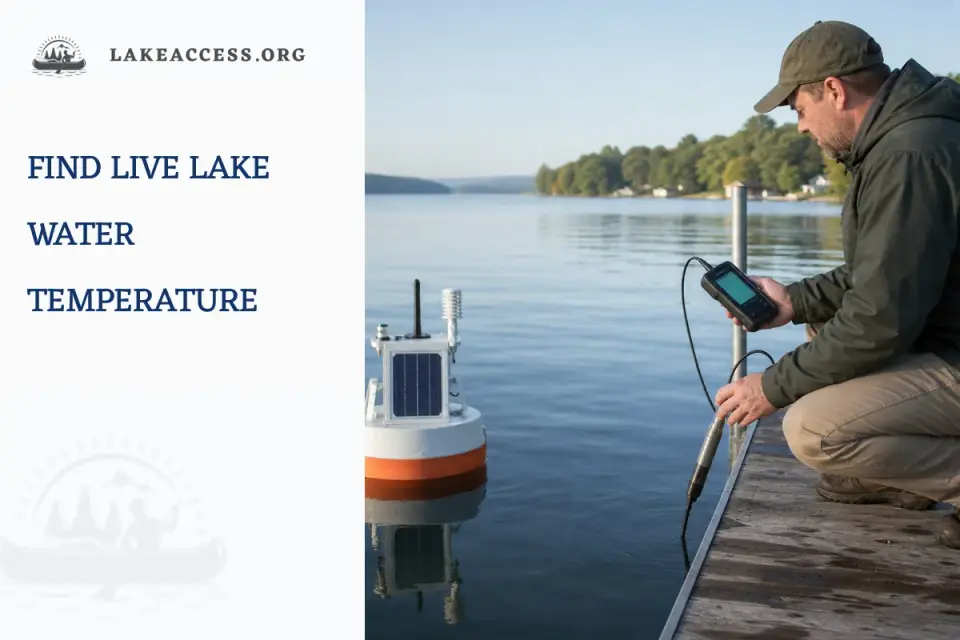
Quick answer: Search USGS Water Data for the Nation, the National Water Dashboard, NOAA buoy data, and the lake operator or park. Use a reading only after…
8 min read
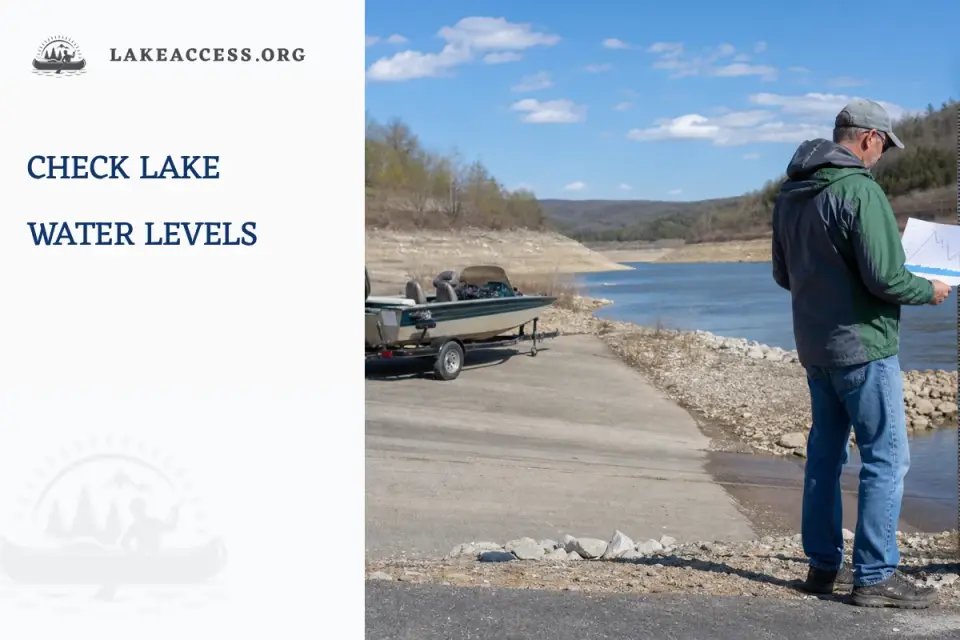
Quick answer: Find the agency that operates or gauges the lake, open its current elevation, stage or storage record, and read the timestamp, unit and datum…
9 min read
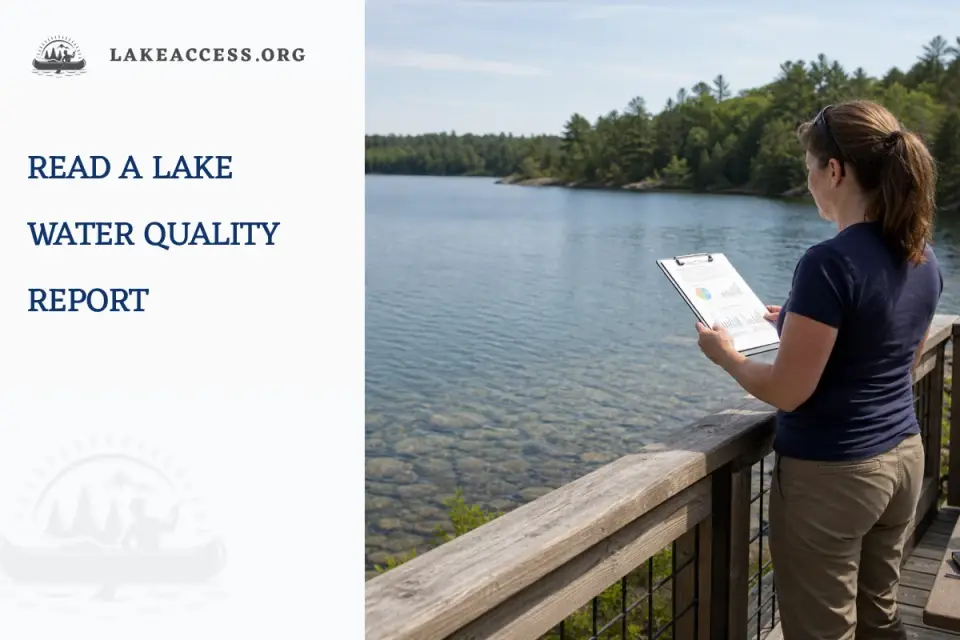
Quick answer: Read a lake water quality report in this order: identify the agency and intended use, confirm the sample location and date, check units and…
9 min read
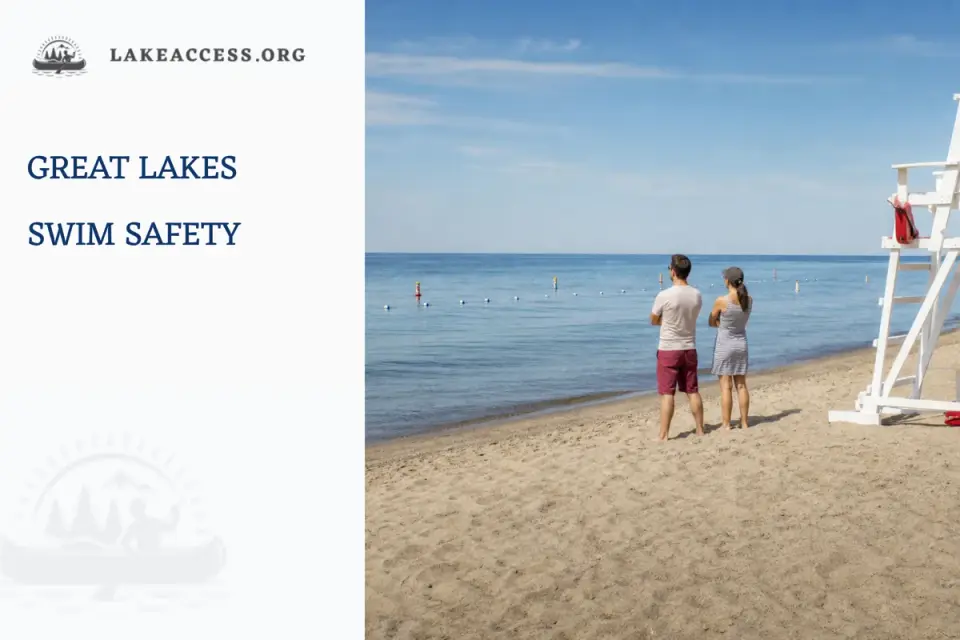
Quick answer: A safer Great Lakes swim begins with the current beach notice, weather and hazard forecast, posted flags, water temperature, and the abilities of…
9 min read
Quick answer: Great Lakes water levels change with precipitation, runoff, evaporation, wind, seasonal patterns, and longer-term conditions. For an access…
10 min read
Quick answer: Lake Superior is the deepest Great Lake by maximum depth. Depth and volume are different measurements, though, so a useful comparison keeps…
9 min read
Quick answer: The Great Lakes are freshwater because their basin receives precipitation, runoff, groundwater, and tributary inflow rather than a direct ocean…
10 min read
There is no public Lake Kachess water temperature, but NOAA normals from nearby Easton show July highs near 76°F and January highs near 36°F. Here is the month-by-month picture.
6 min read